Introduction
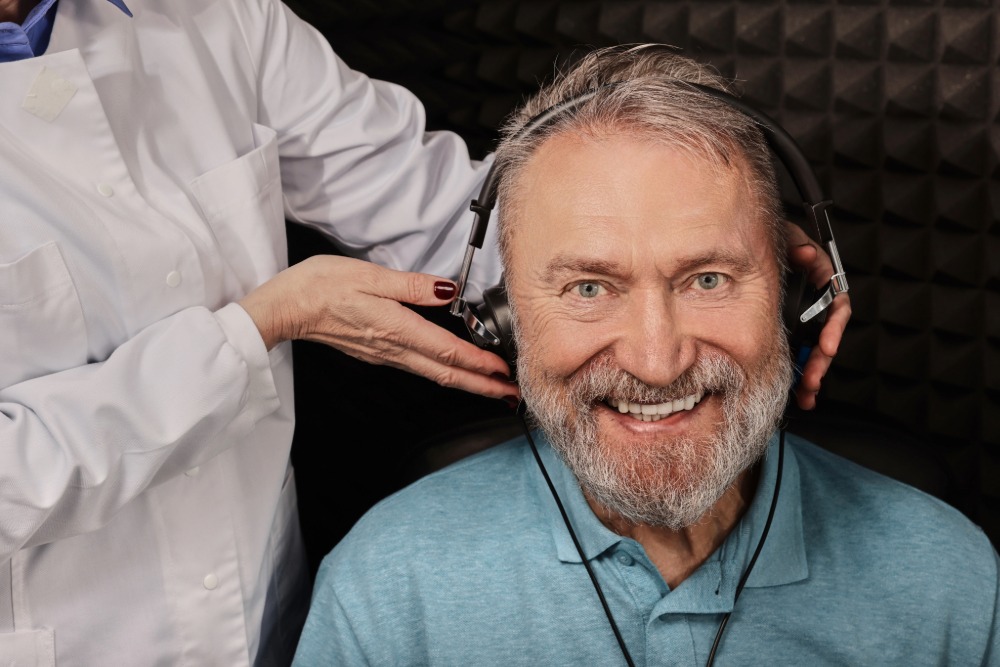
Preparing for a hearing test day requires more than scheduling a date. Employers play a key role in ensuring testing runs smoothly and produces accurate results.
Hearing exams are an essential part of a workplace hearing conservation program. When preparation is rushed or incomplete, testing delays and inaccurate results can occur. That can lead to extra follow-up work and compliance concerns.
Knowing how to prepare for a hearing test helps employers support their safety goals. It also helps employees understand expectations before testing begins. Proper preparation improves efficiency and reduces disruptions during the workday.
The sections below outline practical steps employers can take to prepare for a hearing test day and support a successful hearing exam.
Why Preparing for a Hearing Test Day Matters
 Proper preparation helps ensure hearing test results reflect real workplace conditions. It also supports compliance with OSHA or MSHA hearing conservation requirements.
When testing is well organized, employees move through the process efficiently. This reduces downtime and keeps operations on schedule. Preparation also helps identify gaps in hearing protection use or training.
A structured approach to hearing test day allows employers to focus on prevention. Accurate results provide insight into whether hearing protection and noise controls are working as intended.
Planning Ahead for On-Site Hearing Testing
Planning ahead helps prevent last-minute issues on hearing test day. Employers who prepare early often experience fewer delays and more accurate testing results.
On-site hearing testing works best when expectations are clear. This includes scheduling, employee coordination, and understanding site requirements before testing begins.
Schedule Hearing Testing Early
Hearing testing is an annual requirement for many workplaces. Waiting too long to schedule can limit availability and increase compliance risk.
Early scheduling gives employers time to plan around production demands and work shifts. It also allows employees to be notified in advance, reducing confusion on test day.
Setting calendar reminders helps ensure hearing testing stays on track each year.
Confirm Testing Details Before Arrival
Employers should confirm testing details well before the scheduled date. This includes the total number of employees and the shifts they work.
Other important details include space availability, electrical needs, and traffic flow. These factors affect how efficiently employees move through testing.
Clear confirmation helps avoid delays and ensures the testing process runs smoothly from start to finish.
Preparing Employees Before Testing Day
Employee preparation plays a major role in accurate hearing test results. Clear communication helps employees understand what to expect and how to prepare for a hearing exam.
When employees arrive informed, testing moves faster and interruptions are reduced. Preparation also helps prevent issues that could affect audiogram accuracy.
Limit Excessive Noise Exposure Before a Hearing Test
Employees should limit excessive noise exposure before testing day. Loud activities outside of work can affect hearing test results.
Examples include concerts, fireworks, power tools, and recreational vehicles. Reducing noise exposure for at least 14 hours before testing supports a more reliable baseline.
Encouraging employees to treat hearing protection seriously outside of work can improve long-term hearing health.
What Employees Should Bring to the Hearing Test
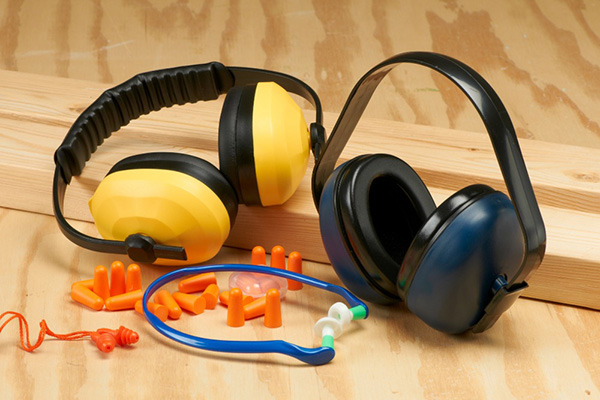
Employees should bring the hearing protection they normally use on the job. This may include foam earplugs, earmuffs, or other protective devices.
Using real-world hearing protection allows technicians to assess proper use. It also helps identify whether current protection is effective for workplace noise levels.
Clear instructions ahead of time reduce confusion and keep the testing process efficient.
Best Practices During the Work Shift
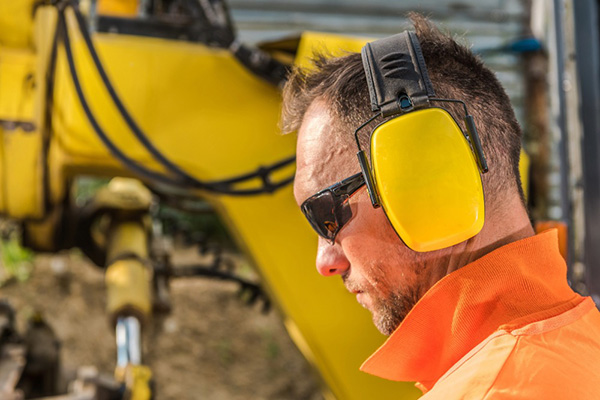 The timing of a hearing test during the workday matters. Testing should reflect real noise exposure experienced by employees.
Scheduling hearing exams correctly helps evaluate whether hearing protection and safety controls are working as intended.
Schedule Hearing Tests Throughout the Shift
Hearing testing should be spread throughout the work shift. Testing all employees early in the day may not reflect true exposure.
Testing later in the shift provides better insight into hearing protection effectiveness. If protection is working properly, results should remain stable at any point in the day.
This approach supports more accurate assessment of a hearing conservation program.
Remove Hearing Protection and Hearing Aids Before Testing
Employees must remove all hearing protection before the hearing test begins. This includes foam earplugs, earmuffs, and custom devices.
Anything inserted into the ear canal can affect test results. Technicians occasionally encounter hearing protection still in place during testing.
Hearing aids must also be removed before testing. Hearing exams measure hearing ability, not device performance.
Handling Special Employee Situations
Some employees may require additional consideration during hearing testing. Planning for these situations ahead of time helps avoid delays and ensures accurate results.
Clear communication with supervisors and employees supports a smooth testing process.
Employees With Doctor’s Notes or Ear Conditions
Employees enrolled in a hearing conservation program should still be tested, even if they are under medical care for an ear-related condition.
Most medical issues do not prevent testing. Unless the ear is painful to the touch or has active drainage, testing can usually proceed.
If on-site testing cannot be completed, the employee may need off-site clinical testing. Proper documentation helps maintain compliance.
Supporting Anxious or Claustrophobic Employees
Some employees may feel anxious or claustrophobic during hearing testing. Identifying these individuals in advance allows for accommodations.
Testing may be performed individually when needed. Short breaks can also help employees remain comfortable during the exam.
A calm approach helps ensure accurate results without unnecessary stress.
After the Hearing Test: What Employers Should Do Next
Hearing test day does not end when testing is complete. Reviewing and using the results is an important part of an effective hearing conservation program.
Timely follow-up helps employers identify trends and address potential risks.
Review Audiometric Results Promptly
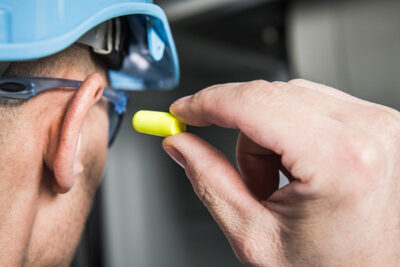 Audiometric results should be reviewed by a qualified professional. This ensures hearing shifts are identified accurately.
Prompt review allows employers to take action when needed. This may include employee notifications or additional evaluations.
Accurate interpretation supports compliance and long-term hearing health.
Use Results to Improve Your Hearing Conservation Program
Hearing test data can reveal patterns across departments or job roles. These insights help identify noise exposure risks.
Employers can use results to adjust training, improve hearing protection, or review noise controls. Over time, this supports better outcomes and fewer hearing-related issues.
Using results proactively strengthens the overall program.
Making Hearing Protection a Daily Priority
Hearing protection should be used consistently, not just before testing day. Daily habits play a major role in long-term hearing health.
Increased hearing protection use right before testing can distort results. This does not reflect typical workplace behavior or real exposure levels.
Employers should reinforce proper hearing protection use every day. Ongoing training and supervision help employees understand why protection matters.
A strong hearing conservation program focuses on prevention. Consistent hearing protection helps reduce hearing loss and supports overall employee health.
About the Author
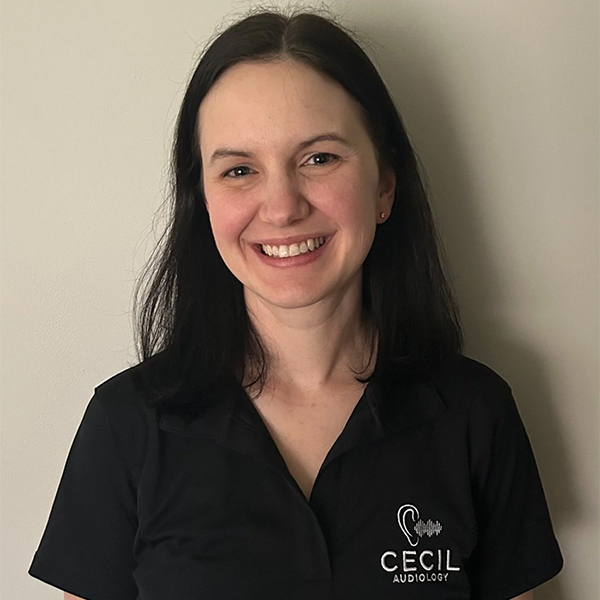
Allison Cecil is a Doctor of Audiology and co-founder of Cecil Audiology, bringing extensive experience in clinical and occupational hearing health. Guided by a commitment to patient care, accuracy, and education, Allison focuses on protecting hearing and helping individuals understand their hearing health with confidence.
After working closely with patients and employers, Allison saw the need for accessible, compliant, and reliable hearing testing—especially in occupational and industrial settings. Through Cecil Audiology, her mission is to deliver clear guidance, precise testing, and thoughtful care that supports long-term hearing conservation and informed decision-making.