
Why Hearing Conservation Programs Matter for Employers
A hearing conservation program protects employees from permanent hearing loss while helping employers meet workplace safety requirements. For many organizations, however, these programs become reactive, rushed, or treated as a once-a-year obligation rather than an ongoing process.
Noise-induced hearing loss does not happen all at once. It develops gradually, often without obvious warning signs. Because of that, employers play a critical role in identifying risk early and putting systems in place to monitor, educate, and protect their workforce.
A well-designed hearing conservation program does more than satisfy OSHA requirements. It creates consistency in testing, improves employee understanding, and reduces long-term liability. When implemented correctly, it becomes part of everyday operations instead of a compliance scramble.
This guide explains how employers can implement a hearing conservation program that is practical, sustainable, and effective in real-world work environments—not just on paper.
When a Hearing Conservation Program Is Required
 A hearing conservation program becomes mandatory when employee noise exposure reaches an average of 85 decibels over an eight-hour workday. This threshold is known as the 8-hour time-weighted average, or TWA. Once exposure meets or exceeds that level, employers must take action.
Many workplaces cross this threshold without realizing it. Noise exposure often comes from multiple sources rather than one obvious machine. Forklifts, compressors, ventilation systems, tools, and production equipment can combine to create sustained exposure over a full shift.
Employers sometimes assume hearing programs only apply to heavy manufacturing or industrial sites. In reality, they are required across many industries. Utilities, construction, transportation, mining, warehousing, and certain service operations frequently meet the exposure level. Even facilities with rotating tasks or intermittent noise can exceed the limit when exposure is averaged over time.
Another common misunderstanding involves short bursts of loud noise. While brief spikes may not trigger a program by themselves, repeated exposure throughout the day can push employees past the threshold. This is why proper noise monitoring is essential before deciding whether a program is needed.
Once exposure reaches the required level, employers must implement the full program. Delaying action or relying on informal controls can lead to compliance issues and missed opportunities to prevent early hearing damage.
Noise Monitoring and Exposure Assessment
Noise monitoring is the foundation of an effective hearing conservation program. Without accurate data, employers cannot determine who is at risk or whether controls are working. This step often receives the least attention, yet it influences every other part of the program.
Monitoring typically includes area measurements and personal dosimetry. Area measurements identify loud equipment or work zones. Personal monitoring measures what an employee is exposed to during a full shift. Both are necessary to understand real-world exposure.
Workplaces change over time. New equipment, process changes, longer shifts, or production increases can raise noise levels. Because of this, noise assessments should not be treated as a one-time task. Periodic reassessment helps ensure exposure data remains accurate.
Employers should also document monitoring results and review them regularly. Clear records help determine which employees must be included in the program and support compliance with OSHA requirements. They also provide valuable context when reviewing audiometric test results.
Effective noise monitoring allows employers to act early. It supports better hearing protection decisions, more accurate training, and a stronger overall program that protects employees before hearing loss occurs.
Audiometric Testing: Baseline and Annual Hearing Exams
 Audiometric testing helps employers track changes in employee hearing over time. It is a critical part of a hearing conservation program because it provides objective data, not assumptions. Without reliable testing, early signs of hearing loss can go unnoticed.
A baseline audiogram establishes an employee’s hearing level before ongoing noise exposure occurs. This test should be completed under controlled conditions and reviewed for accuracy. Poor testing environments, improper calibration, or inadequate employee preparation can compromise results.
Annual audiograms are used to identify changes from the baseline. These tests allow employers to spot trends and address issues early. Even small shifts can signal increased risk when they appear across multiple employees or departments.
When a standard threshold shift is identified, follow-up actions are required. These may include employee notification, retraining, hearing protection review, or further evaluation. Early response helps reduce the chance of permanent damage.
Audiometric testing programs should be consistent and well-documented. Proper review and oversight ensure results align with OSHA expectations and support long-term hearing protection efforts.
Hearing Protection That Employees Will Actually Use
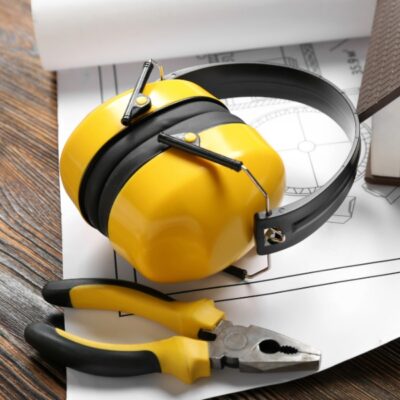
Hearing protection only works when employees wear it correctly and consistently. Many hearing conservation programs struggle in this area because protection is treated as a simple distribution task rather than an ongoing process.
Different jobs require different types of protection. Earplugs, earmuffs, or a combination may be appropriate depending on noise levels, comfort, and task requirements. When protection interferes with communication or job performance, employees are less likely to use it.
Fit and comfort play a major role in compliance. Poorly fitted hearing protection reduces effectiveness and increases frustration. Employees should understand why specific protection is selected and how to wear it properly for their role.
Training reinforces proper use, but availability matters just as much. Hearing protection should be easy to access in all required areas. Clear signage and consistent expectations help create routine use rather than resistance.
A successful hearing protection program focuses on practicality. When employees understand the purpose and feel supported, protection becomes part of normal work habits instead of a forced requirement.
Employee Training and Education Requirements
 Training helps employees understand why hearing conservation matters and how they fit into the program. Without clear education, even well-designed programs can fail due to confusion or lack of awareness.
Employers should explain how noise affects hearing and why damage is permanent. Simple, practical examples work better than technical explanations. Employees are more likely to engage when training connects directly to their daily tasks.
Training should also cover proper use and care of hearing protection. Employees need to know when protection is required, how to wear it correctly, and how to recognize when it is no longer effective. Reinforcing this information over time improves consistency.
Education must occur at the right moments. New hires should receive training before exposure begins. Ongoing training helps reinforce expectations and address changes in equipment or work processes. This approach supports compliance with OSHA requirements while improving real-world outcomes.
Effective training is not about volume or complexity. It focuses on clarity, repetition, and relevance. When employees understand the purpose of the program, participation improves across the workplace.
Recordkeeping and Program Oversight
Accurate recordkeeping supports both compliance and long-term program effectiveness. Hearing conservation records help employers track exposure, monitor trends, and demonstrate that required steps are being followed.
Employers must maintain records related to noise monitoring and audiometric testing. These records provide context when reviewing hearing changes and help identify patterns across departments or job roles. Clear documentation also simplifies audits and internal reviews.
Program oversight is equally important. A designated individual or team should be responsible for reviewing results, coordinating testing, and ensuring follow-up actions occur. Without clear ownership, important tasks can be delayed or overlooked.
Records should be reviewed regularly, not just stored. Trends in test results may indicate changes in noise exposure or issues with hearing protection. Ongoing review allows employers to address concerns early and strengthen their program over time.
Effective recordkeeping aligns with OSHA expectations while helping employers maintain a consistent and proactive hearing conservation program.
On-Site Hearing Testing vs Off-Site Clinics
 Where hearing testing takes place can affect participation, accuracy, and overall program efficiency. Employers often choose between on-site testing and sending employees to off-site clinics. Each approach comes with different challenges.
On-site testing reduces downtime and scheduling conflicts. Employees remain at the workplace, which helps maintain productivity and improves participation rates. Testing can also be coordinated across shifts, making it easier to meet annual requirements.
Off-site clinics may offer controlled environments but often create logistical issues. Travel time, missed appointments, and inconsistent testing conditions can complicate recordkeeping. These factors may lead to delayed or incomplete testing.
Consistency matters regardless of location. Testing conditions, equipment calibration, and review processes should remain uniform from year to year. Inconsistent testing methods can make it harder to identify meaningful changes in hearing levels.
Choosing the right approach depends on workforce size, scheduling needs, and operational demands. Employers should consider how testing logistics support long-term program success rather than focusing only on short-term convenience.
Signs Your Hearing Conservation Program Needs Attention
Even established hearing conservation programs can drift over time. Small issues often go unnoticed until testing results or compliance reviews reveal larger problems. Recognizing early warning signs helps employers correct course before hearing loss or regulatory concerns escalate.
Repeated hearing shifts across the same job roles may indicate increased noise exposure or ineffective hearing protection. These patterns suggest that existing controls are no longer sufficient or are not being used correctly.
Missed or delayed annual audiograms are another common indicator. Scheduling challenges, workforce changes, or unclear responsibilities can disrupt testing cycles. Gaps in testing weaken the program and make it harder to track long-term trends.
Employee confusion also signals a problem. When workers do not understand test results, protection requirements, or training expectations, participation drops. Clear communication is essential for program success.
Regular review helps identify these issues early. Proactive adjustments strengthen the program and support ongoing alignment with OSHA requirements.
How Often a Hearing Conservation Program Should Be Reviewed
 A hearing conservation program should be reviewed on a regular schedule, not only when issues arise. Annual reviews align naturally with audiometric testing cycles and help ensure all program elements remain current.
Employers should also review the program whenever workplace conditions change. New equipment, process adjustments, extended shifts, or facility modifications can increase noise exposure. These changes may require updated monitoring, training, or hearing protection.
Reviewing test results over time provides valuable insight. Trends in hearing shifts can reveal emerging risks before they become widespread problems. Early review allows employers to adjust controls and reinforce protection strategies.
Program reviews should include noise data, testing records, training practices, and employee feedback. This holistic approach supports continuous improvement and helps maintain alignment with OSHA expectations.
Regular review keeps hearing conservation efforts proactive. It helps employers protect employees effectively while maintaining a consistent and reliable program.
Hearing Conservation Is an Ongoing Responsibility
A hearing conservation program is not a one-time task or an annual checkbox. It is an ongoing responsibility that requires attention, consistency, and follow-through. When programs are treated as living systems, they are more effective and easier to manage.
Workplaces evolve, and noise exposure can change with them. Regular monitoring, testing, training, and review help employers stay ahead of potential risks. These efforts protect employees while supporting long-term compliance and operational stability.
Successful programs focus on prevention, not reaction. Clear communication, accurate data, and consistent oversight reduce confusion and strengthen participation. Over time, this approach helps create a safer work environment and reduces the likelihood of permanent hearing damage.
By viewing hearing conservation as part of everyday operations, employers can meet OSHA requirements while demonstrating a genuine commitment to employee well-being.
About the Author
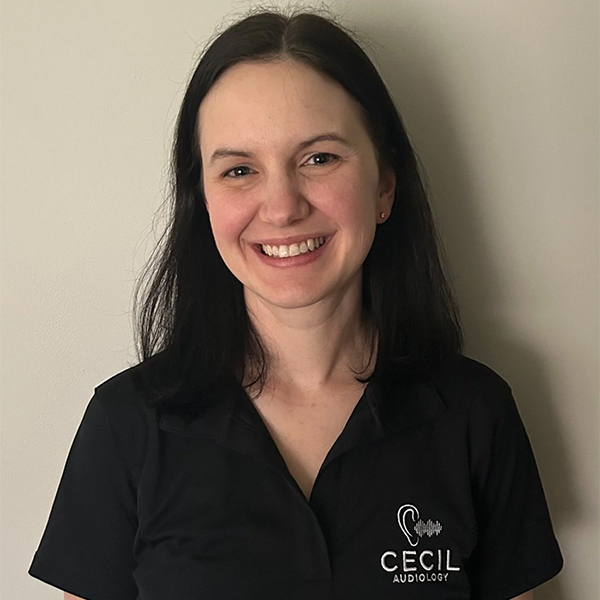
Allison Cecil is a Doctor of Audiology and co-founder of Cecil Audiology, bringing extensive experience in clinical and occupational hearing health. Guided by a commitment to patient care, accuracy, and education, Allison focuses on protecting hearing and helping individuals understand their hearing health with confidence.
After working closely with patients and employers, Allison saw the need for accessible, compliant, and reliable hearing testing—especially in occupational and industrial settings. Through Cecil Audiology, her mission is to deliver clear guidance, precise testing, and thoughtful care that supports long-term hearing conservation and informed decision-making.