Hearing conservation is a critical component of workplace safety in industries where employees are exposed to hazardous noise levels. Annual hearing testing helps employers comply with OSHA hearing conservation requirements (29 CFR 1910.95). Identifying early signs of hearing loss protects the long-term health of your workforce.
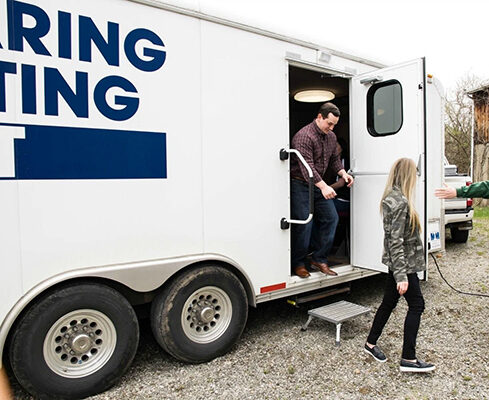
For many organizations, mobile audiometric testing offers the most convenient and efficient way to conduct these evaluations. Instead of sending employees offsite for testing, a mobile hearing testing unit comes directly to your facility, minimizing disruptions while ensuring compliance.
If you’re considering onsite hearing testing for your organization, understanding the process can help you plan effectively. Here’s what to expect from start to finish.
Scheduling the Mobile Unit
 The first step in mobile audiometric testing is scheduling your testing date. Employers typically contact an audiology provider several weeks in advance, particularly during busy testing seasons.
During the scheduling process, you’ll discuss:
- The number of employees who need testing
- Your facility location
- Preferred testing dates
- Shift schedules
- Any special site considerations
- Existing hearing conservation program requirements
This information helps determine how much time should be allocated for testing and ensures the appropriate resources are available on the scheduled date. This information also allows tests to be conducted with the least amount of impact to operations.
For employers with annual hearing conservation requirements, many choose to schedule testing around the same time each year to maintain compliance and simplify recordkeeping.
To learn more about scheduling a hearing test at your facility please contact our office with questions or to request a quote.
Site Requirements
One of the most common questions employers ask is, “What do we need to provide?”
The good news is that mobile audiometric testing requires very little preparation from the employer.
Most mobile testing providers use a specially equipped testing trailer or mobile unit designed to meet audiometric testing standards. These units contain sound-treated testing booths and all necessary equipment.
Typically, employers need to provide:
- A safe parking location for the mobile unit
- Adequate space for vehicle access
- Access to electrical power if required
- A designated contact person on testing day
- An employee testing schedule or roster
It’s also important to ensure employees avoid excessive noise exposure before testing whenever possible. In some cases, workers may need to wear hearing protection for a period before their appointment to prevent temporary threshold shifts from affecting results.
Prior to testing day, your provider will communicate any specific requirements related to your facility or workforce.
Testing-Day Workflow
When the mobile unit arrives onsite, the testing process is designed to be streamlined and efficient.
Employee Check-in
Employees typically check in according to a predetermined schedule. Basic information is verified, and any required documentation is completed before testing begins.
Hearing Health Review
The technician may ask questions regarding:
- Changes in hearing since the previous test
- Ear-related symptoms
- Noise exposure history
- Hearing protection usage
- Recent illnesses or medical concerns that could affect hearing
This information helps provide context for interpreting test results.
Audiometric Testing
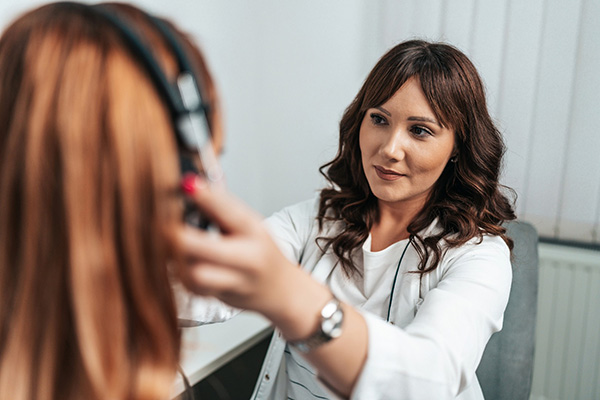 The employee enters the sound-treated booth inside the mobile unit to complete the hearing test.
During the evaluation:
- Headphones are placed over the ears
- A series of tones are presented at different frequencies and volumes
- The employee indicates when sounds are heard
- Results are recorded electronically
The testing itself is painless, non-invasive, and generally takes only a few minutes to complete.
Review of Results
Once testing is complete, results are reviewed according to hearing conservation program requirements. Any significant changes from previous baseline tests are identified for further evaluation.
Throughout the day, employees move through the process quickly, allowing operations to continue with minimal interruption.
Number of Employees Tested Per Day
The number of employees that can be tested during a mobile audiometric testing event depends on several factors, including scheduling efficiency, shift structure, and testing requirements.
In many cases, a mobile testing unit can evaluate dozens of employees in a single day. Larger organizations may schedule multiple days or multiple units to accommodate their workforce.
Several factors influence daily testing capacity:
- Number of employees participating
- Complexity of documentation requirements
- Multiple shifts or staggered schedules
- New baseline versus annual testing
- Site logistics and employee availability
Working with an experienced provider helps ensure testing schedules are optimized to minimize downtime and maximize productivity.
Reporting and Documentation
Accurate documentation is one of the most valuable aspects of professional mobile audiometric testing services.
Following testing, employers typically receive detailed records that support their hearing conservation program and OSHA compliance efforts.
Documentation may include:
- Individual hearing test results
- Baseline audiograms
- Annual comparison testing
- Identification of standard threshold shifts (STS)
- Testing summaries
- Compliance records
These records help employers monitor workforce hearing health over time and maintain required documentation during inspections or audits.
Electronic reporting also makes it easier to store, retrieve, and review employee hearing data when needed.
For safety managers, having organized documentation can significantly reduce administrative burdens while improving program oversight.
Follow-Up Procedures
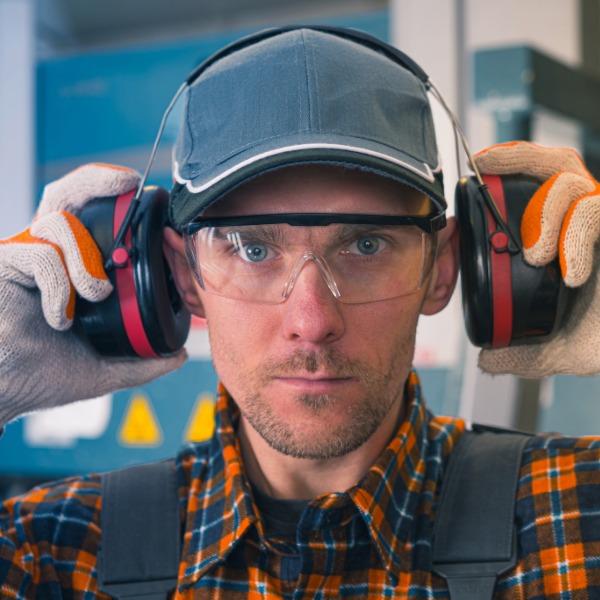 The testing process doesn’t end when the mobile unit leaves the site. After results are reviewed, certain employees may require follow-up actions based on their hearing test outcomes. Potential follow-up procedures include:
Notification of Significant Changes
If testing identifies a standard threshold shift or other significant hearing change, employees may be notified according to applicable regulations and company policies.
Retesting
In some situations, follow-up testing may be recommended to confirm results and rule out temporary factors that may have influenced the audiogram.
Medical Referral
Employees with concerning findings may be referred to an audiologist, physician, or hearing healthcare professional for additional evaluation.
Hearing Protection Review
Results can also be used to assess the effectiveness of current hearing protection strategies. Additional training or alternative hearing protection options may be recommended when needed.
Program Evaluation
For employers, hearing test results provide valuable insights into the overall effectiveness of their hearing conservation program. Trends across departments or job roles can help identify opportunities for improved noise control and worker protection.
Why Employers Choose Mobile Audiometric Testing
Mobile audiometric testing offers a practical solution for organizations that need efficient, compliant hearing evaluations without disrupting daily operations.
By bringing testing directly to the workplace, employers can:
- Reduce employee travel time
- Increase participation rates
- Simplify OSHA compliance
- Minimize production interruptions
- Maintain accurate hearing conservation records
- Detect hearing changes early
Whether your organization has a few dozen employees or several hundred, onsite mobile testing provides a convenient and effective way to protect and monitor worker hearing health.
Cecil Audiology helps employers implement streamlined hearing conservation programs through professional mobile audiometric testing services. Our team works closely with safety managers and business leaders to deliver accurate testing, clear documentation, and reliable support from scheduling through follow-up.
About the Author
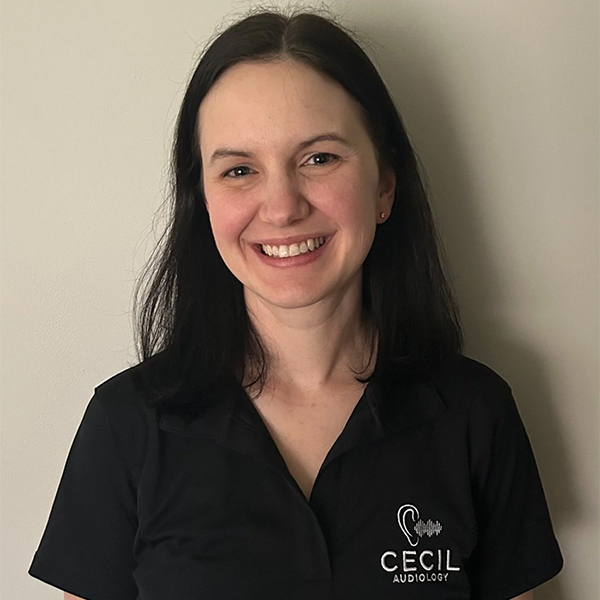
Allison Cecil is a Doctor of Audiology and co-founder of Cecil Audiology, bringing extensive experience in clinical and occupational hearing health. Guided by a commitment to patient care, accuracy, and education, Allison focuses on protecting hearing and helping individuals understand their hearing health with confidence.
After working closely with patients and employers, Allison saw the need for accessible, compliant, and reliable hearing testing—especially in occupational and industrial settings. Through Cecil Audiology, her mission is to deliver clear guidance, precise testing, and thoughtful care that supports long-term hearing conservation and informed decision-making.