Introduction
OSHA noise exposure limits give employers a framework for reviewing loud work environments and deciding when hearing conservation steps may be needed. For industrial safety managers, HR teams, and operations leaders, those limits are not just numbers on a chart. They affect testing decisions, employee communication, hearing protection, training, and recordkeeping.
Many facilities know when an area sounds loud. The harder question is what to do with that information. A press line, compressor room, fabrication area, mine site, or mobile equipment route may create different exposures across a shift. Short walkthroughs do not always show who is exposed, for how long, or whether a formal hearing conservation review is needed.
Cecil Audiology works with employers across Ohio, West Virginia, and nearby Appalachian service areas that need practical support for occupational hearing testing. This article explains OSHA noise exposure limits in employer-friendly terms and shows how those limits connect to a more organized hearing conservation process.
This is general educational information, not legal advice. Employers should review their specific workplace conditions with qualified safety, compliance, or legal professionals when needed.
What OSHA noise exposure limits mean
 OSHA’s occupational noise standard addresses employee exposure to workplace noise over time. In general terms, it helps employers evaluate whether noise exposure is high enough to require closer hearing conservation attention.
A key concept is the time-weighted average. Noise exposure is not only about how loud a task is in one moment. It is also about how long employees are exposed during the workday. A very loud task may matter even if it happens for a short period. A moderately loud operation may matter because it continues for most of the shift.
The OSHA occupational noise standard at 29 CFR 1910.95 includes requirements related to monitoring, audiometric testing, hearing protectors, training, and records when covered exposure levels are met. Employers should be careful not to reduce the standard to a single simple rule. Job duties, work duration, measurement method, industry, and documentation can all affect how the information is used.
For safety teams, the practical takeaway is this: if a workplace has potentially hazardous noise, exposure should be measured and reviewed before testing and program decisions are made.
Action level and permissible exposure limit
Two phrases often come up when employers research OSHA noise exposure limits: action level and permissible exposure limit.
The action level is important because it can trigger hearing conservation program responsibilities when employee exposure reaches the covered threshold. That may include noise monitoring, audiometric testing, hearing protection access, employee training, and recordkeeping.
The permissible exposure limit is another key reference point. It is tied to the maximum exposure allowed under the standard based on time and noise level. Employers should not treat the permissible exposure limit as the only level that matters. Waiting until exposure is extremely high can leave a program reactive instead of proactive.
In real workplaces, these concepts matter because they help employers answer practical questions:
- Which job roles should be included in the hearing conservation program?
- Does the company need baseline and annual audiograms for certain employees?
- Are hearing protectors being selected, fitted, and used consistently?
- Does employee training explain the actual workplace risk?
- Are records organized well enough for future review?
Cecil Audiology’s mobile occupational hearing testing services support employers after these questions are identified. Testing is easier to coordinate when the employer already understands which employee groups need attention and why.
How employers find out whether limits are being reached
 Employers usually need more than observation to know whether OSHA noise exposure limits are being reached. Objective measurement helps safety teams move from “this area seems loud” to documented exposure information.
Common evaluation methods include:
- Area sound level readings in specific work zones.
- Personal noise dosimetry for employees or job roles.
- Review of tasks, shifts, equipment, and production cycles.
- Comparison of similar roles that may have different exposure patterns.
- Follow-up measurement after equipment or process changes.
The right method depends on the question. Area readings can help identify loud zones. Personal dosimetry can help show what employees experience during actual work. A facility with rotating employees, changing production schedules, or mobile equipment may need a different approach than a facility with fixed workstations.
Employers should also document the conditions during measurement. A reading taken during a quiet production day may not reflect a heavier shift. A measurement from one department may not apply to another department with different equipment.
How exposure limits connect to audiometric testing
Audiometric testing is one of the most visible parts of a hearing conservation program, but it should not be treated as a standalone task. OSHA noise exposure limits help employers decide who may need testing and how the testing schedule should be managed.
When covered employees need audiometric testing, employers often need to think through:
- Baseline audiograms for employees entering the program.
- Annual testing for covered groups.
- Shift coverage so testing does not disrupt production more than necessary.
- How employees will receive test-day instructions.
- Who will review audiograms and explain results.
- How records will be stored for future comparison.
For industrial employers, logistics can be just as important as the rule itself. Employees may work multiple shifts. Some facilities cannot send teams off site without losing production time. Mobile and boothless testing options can make the process more manageable when the employer already has a clear list of employees to include.
Cecil Audiology serves a range of industries where this planning matters, including manufacturing, mining, energy, and other workplace environments with noise concerns.
What mining and heavy-industry employers should keep in mind
 Mining employers and companies that support mining operations may need to consider industry-specific rules in addition to general workplace safety practices. The MSHA-related occupational noise exposure rules in 30 CFR Part 62 are a useful reference point for mining-focused teams.
This is one reason employers should avoid using a generic checklist without reviewing the actual workplace. A manufacturer, fabrication shop, quarry, mine, utility contractor, and processing facility may all have different exposure patterns and compliance considerations.
For companies in Ohio, West Virginia, Pennsylvania, Kentucky, Virginia, Maryland, and the surrounding Appalachian region, noise exposure planning often needs to fit real operations. Multiple shifts, remote sites, mobile equipment, contractor schedules, and seasonal production can all affect testing and documentation.
The goal is not to make broad assumptions. The goal is to gather reliable information, apply the appropriate rules, and build a hearing conservation workflow that safety, HR, and operations teams can actually manage.
Records employers should keep after reviewing noise exposure
Good records make hearing conservation easier to manage year after year. They also help a new safety manager understand why certain employees are tested and how program decisions were made.
After reviewing OSHA noise exposure limits and workplace measurements, employers may need to keep information such as:
- Noise measurement dates, locations, and conditions.
- Departments, job roles, or employees represented in the evaluation.
- Equipment, tasks, or processes evaluated.
- Exposure results and interpretation from the qualified provider or safety professional.
- Employee groups included in audiometric testing.
- Baseline and annual audiogram records.
- Hearing protection, training, and employee communication records.
- Follow-up notes after equipment, staffing, or production changes.
Recordkeeping should be organized enough that the employer can explain the program later. If records are scattered between safety, HR, operations, and outside vendors, annual testing can become harder than it needs to be.
The Council for Accreditation in Occupational Hearing Conservation is one industry resource connected to occupational hearing conservation practices and training. Employers can use resources like this for education while still relying on qualified advisors for workplace-specific decisions.
Practical questions before the next testing cycle
 If your company is reviewing noise exposure or preparing for the next annual testing cycle, start with a few practical questions.
Ask:
- Which employees are currently included in the hearing conservation program?
- When was workplace noise exposure last measured?
- Have new machines, tasks, layouts, or shifts changed the exposure picture?
- Are baseline and annual audiograms being scheduled for the right groups?
- Are employees receiving clear instructions before test day?
- Are audiogram results reviewed by a qualified professional?
- Are records easy to retrieve and compare from year to year?
These questions help connect OSHA noise exposure limits to real program management. They also help employers spot gaps before the testing day arrives.
If your team is unsure where to start, Cecil Audiology can help employers think through on-site testing logistics and hearing conservation support. You can request a quote to start a practical conversation about your workplace, schedule, and employee testing needs.
Conclusion
OSHA noise exposure limits matter because they help employers decide when noise exposure should lead to a more formal hearing conservation process. The limits are not just technical details. They influence who gets tested, how often testing happens, what employees are told, and which records need to be maintained.
For industrial employers, the strongest approach is organized and evidence-based. Measure exposure when needed. Review the results carefully. Connect the findings to testing, training, protection, and records. Then revisit the plan when operations change.
Cecil Audiology supports employers that need mobile, on-site industrial hearing testing and practical program support. If your facility is reviewing noise exposure or preparing for employee audiometric testing, a clear plan can make the next step easier.
FAQs
What are OSHA noise exposure limits?
OSHA noise exposure limits are regulatory thresholds used to evaluate employee exposure to workplace noise over time. They help employers determine when hearing conservation steps such as monitoring, audiometric testing, hearing protection, training, and records may need to be reviewed.
What is the difference between the action level and permissible exposure limit?
The action level is a threshold that can trigger hearing conservation program responsibilities for covered employees. The permissible exposure limit is tied to the maximum allowed exposure under the standard. Employers should review both carefully instead of relying on one number alone.
Do OSHA noise exposure limits automatically mean employees need hearing tests?
Not automatically in every situation. Employers need to review measured exposure, job duties, duration, applicable rules, and program requirements. When covered exposure levels are met, audiometric testing may be one required part of a broader hearing conservation program.
How often should employers review workplace noise exposure?
Employers should review noise exposure when workplace conditions change or when existing information may no longer reflect actual exposure. New equipment, layout changes, production increases, different shifts, or changed job duties can all make a fresh review worth considering.
Can Cecil Audiology help employers after exposure limits are reviewed?
Yes. Cecil Audiology provides mobile and on-site occupational hearing testing for employers. Once an employer identifies which employees need testing, Cecil Audiology can help coordinate audiometric testing around shifts, production schedules, and recordkeeping needs.
About the Author
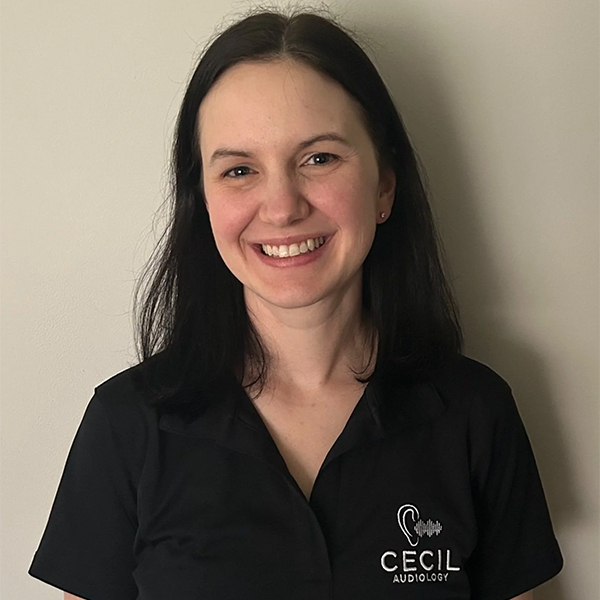
Allison Cecil is a Doctor of Audiology and co-founder of Cecil Audiology, bringing extensive experience in clinical and occupational hearing health. Guided by a commitment to patient care, accuracy, and education, Allison focuses on protecting hearing and helping individuals understand their hearing health with confidence.
After working closely with patients and employers, Allison saw the need for accessible, compliant, and reliable hearing testing—especially in occupational and industrial settings. Through Cecil Audiology, her mission is to deliver clear guidance, precise testing, and thoughtful care that supports long-term hearing conservation and informed decision-making.