Introduction
In many manufacturing and industrial environments, exposure to high noise levels is part of daily operations. Over time, that exposure can lead to a range of hearing-related issues—one of the most common being tinnitus. Tinnitus causes a ringing, buzzing, or hissing sound in the ears. Workers who regularly operate loud equipment and machinery often experience these symptoms, even though others cannot see the condition.
For employers, tinnitus should not be viewed as a minor complaint. Instead, it is often an early indicator that hearing damage may already be occurring within the workforce. When left unaddressed, it can contribute to reduced employee focus, communication challenges, and increased safety risks on the job. In environments where awareness and reaction time are critical, even minor hearing disruptions can have serious consequences.
Because tinnitus can develop gradually and may go unreported by employees, its presence highlights the importance of structured hearing conservation efforts. Annual hearing testing plays a key role in identifying early changes in hearing health, supporting compliance with OSHA requirements, and helping employers take action before more significant issues arise.
What Is Tinnitus and Why It Matters in Industrial Settings
 Tinnitus refers to hearing sounds—such as ringing, buzzing, or hissing—without any external source. It does not stand alone as a disease; instead, it signals underlying hearing damage. In industrial and manufacturing environments, prolonged exposure to high noise levels from machinery, tools, and production processes often causes tinnitus.
Over time, repeated exposure to excessive noise can damage the delicate structures within the inner ear. This damage may first present as intermittent tinnitus, which can become more persistent if exposure continues. In many cases, tinnitus develops before measurable hearing loss appears, making it an important early warning sign that employers should not overlook.
In workplace settings where noise hazards are present, tinnitus carries broader implications beyond individual discomfort. Employees experiencing tinnitus may have difficulty concentrating, communicating clearly, or distinguishing important sounds such as alarms or verbal instructions. These challenges can increase the likelihood of errors and safety incidents, particularly in fast-paced or high-risk environments.
For employers, understanding tinnitus as an indicator of potential occupational hearing damage is essential. Its presence within the workforce can signal that current noise controls or hearing conservation efforts may not be fully effective, reinforcing the need for consistent monitoring and proactive intervention.
The Hidden Cost of Tinnitus for Employers
The impact of tinnitus in the workplace is often underestimated, largely because it is an invisible condition that may not be immediately reported. However, its effects can extend well beyond individual discomfort and begin to influence overall operations in measurable ways.
Employees experiencing tinnitus may struggle with concentration, particularly in environments that already demand a high level of focus. Persistent ringing or buzzing can become a constant distraction, leading to decreased productivity and an increased likelihood of mistakes. In industrial settings where precision and attention to detail are critical, even small lapses can create larger operational issues.
Communication can also be affected. Workers may have difficulty understanding verbal instructions or distinguishing speech from background noise. This can slow down workflows, create misunderstandings, and increase frustration among teams. In some cases, it may also contribute to breakdowns in safety protocols, especially when clear communication is required to prevent incidents.
From a risk management perspective, tinnitus can also lead to increased workers’ compensation claims and potential long-term liability. If symptoms progress into measurable hearing loss, costs related to claims, medical evaluations, and lost work time can rise significantly. Additionally, untreated hearing issues may contribute to higher turnover, as employees seek roles in less demanding environments.
When viewed collectively, these factors position tinnitus as more than a minor health concern. It becomes a business issue—one that can affect safety, efficiency, and financial performance if not addressed proactively.
OSHA’s Role in Hearing Conservation
 In industrial and manufacturing environments, employers must actively manage hearing conservation—it is regulated under the Occupational Safety and Health Administration (OSHA). When employee noise exposure reaches or exceeds an 8-hour time-weighted average of 85 decibels, employers must implement and maintain a formal hearing conservation program.
Within these programs, employers must include several key components. They must monitor noise levels to identify at-risk employees. Employers must provide and properly fit hearing protection. They must deliver training so employees understand the risks of noise exposure and how to protect themselves. Most importantly, they must conduct annual hearing tests for employees exposed above the action level.
While tinnitus is not always measured directly during a hearing test, it closely connects to the types of hearing damage these programs aim to detect. Annual testing often reveals early changes in hearing thresholds, which can indicate that noise exposure is already affecting employees—even if they have not reported symptoms like ringing or buzzing.
For employers, this connection reinforces the purpose of OSHA’s requirements. Hearing conservation programs do more than support compliance—they help employers identify early warning signs, such as tinnitus-related damage, before those issues develop into more serious and costly conditions. Through consistent testing and monitoring, employers can identify risks early and take appropriate steps to protect their workforce.
Why Annual Hearing Tests Are Critical for Detecting Tinnitus Early
In many cases, tinnitus develops gradually and may not be immediately recognized as a workplace-related issue. Employees may assume that occasional ringing or buzzing is temporary, especially after a long shift in a high-noise environment. Because of this, symptoms often go unreported until they become more persistent or begin to interfere with daily tasks.
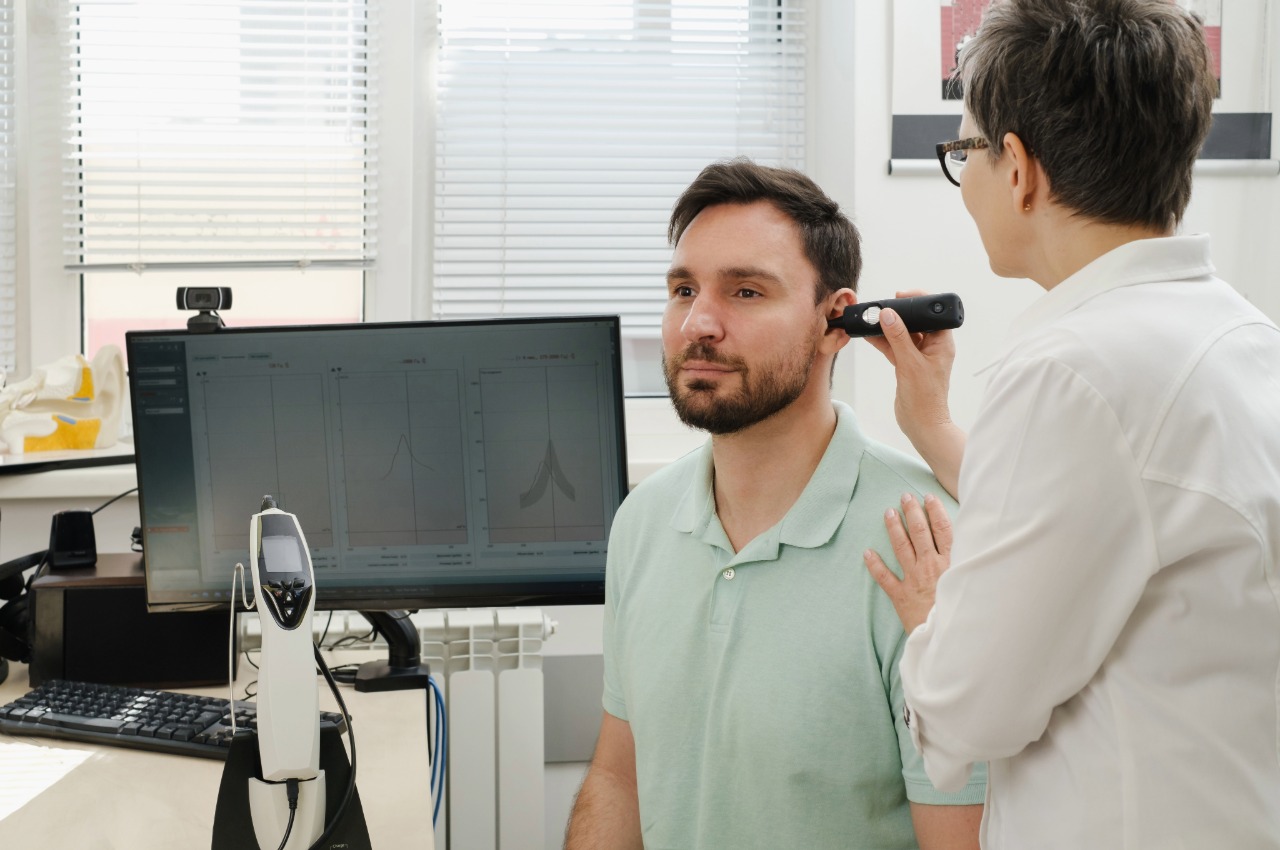
Annual hearing tests serve as a structured and reliable way to identify early changes in hearing health—even before employees raise concerns. By establishing a baseline and comparing results year over year, subtle shifts in hearing thresholds can be detected. These changes, often referred to as standard threshold shifts, can indicate that noise exposure is beginning to cause damage, even if it has not yet progressed to significant hearing loss.
While tinnitus remains subjective and cannot always be measured directly, it often signals the same underlying damage that hearing tests are designed to uncover. When employers conduct testing consistently, they can identify at-risk employees, reinforce the importance of hearing protection, and take corrective action before conditions worsen.
For employers, this process supports both compliance and prevention. Regular testing demonstrates adherence to OSHA requirements while also providing valuable insight into the effectiveness of existing hearing conservation efforts. Over time, it allows organizations to move from a reactive approach to a more proactive strategy—addressing potential issues like tinnitus early, before they impact safety, productivity, or long-term employee health.
Why Employees Often Don’t Report Tinnitus
 In many industrial workplaces, employees underreport tinnitus—not because it is uncommon, but because they often misunderstand or dismiss it. Symptoms can start intermittently, appearing after a long shift or exposure to particularly loud equipment, then fade over time. As a result, employees may assume the issue is temporary rather than an early sign of hearing damage.
A lack of awareness also contributes to the problem. Employees may not immediately connect ringing or buzzing in the ears to workplace noise exposure, especially when symptoms develop gradually. Without clear education on the risks, they may not recognize tinnitus as something they should report or have evaluated.
In some cases, concerns about job impact discourage reporting. Employees may worry that disclosing hearing issues could lead to reassignment, reduced hours, or other changes to their role. Even when those concerns are unfounded, this hesitation can delay important conversations about hearing health.
Because tinnitus is subjective and not outwardly visible, it can easily go unnoticed without a structured process in place. Employers should lead initiatives such as annual hearing testing and ongoing education to address this gap. By creating an environment where teams routinely monitor and openly discuss hearing health, employers significantly increase the likelihood of identifying early warning signs like tinnitus.
How Employers Can Proactively Address Tinnitus
Employers can take a proactive approach to tinnitus in the workplace by maintaining consistent, well-managed hearing conservation efforts. Instead of relying on employees to self-report symptoms, employers should implement structured processes that identify risks early and reduce the likelihood of long-term damage.
Employers should conduct annual hearing testing for noise-exposed employees to monitor changes over time and identify early indicators of hearing-related issues. When teams perform testing consistently, they can more easily detect trends that suggest developing problems, including those associated with tinnitus.
Employers should also reinforce employee education on a regular basis. They should inform workers about the early signs of hearing damage—such as ringing or buzzing in the ears—and explain how these symptoms connect to workplace noise exposure. As awareness increases, employees report symptoms more often and follow protective measures more consistently.
Proper use of hearing protection should be verified, not just provided. Even when protective equipment is available, incorrect fit or inconsistent use can significantly reduce its effectiveness. Routine checks and reinforcement help ensure that protection measures are working as intended.
Employers should maintain accurate records and continuously evaluate hearing data as part of their overall program. This approach allows employers to assess whether current controls work effectively or whether they need to make adjustments to better protect employees.
In many cases, employers manage these efforts more effectively by partnering with a professional hearing testing provider. They can coordinate onsite services to simplify compliance, reduce administrative burden, and ensure that testing and documentation remain consistent and accurate.
The Business Case for Acting Early
 Addressing tinnitus early is not only a health and safety consideration—it is also a sound business decision. When employers identify and address early signs of hearing damage, they significantly reduce the likelihood of more serious and costly issues developing over time.
From a financial perspective, prevention is far less expensive than managing workers’ compensation claims, medical evaluations, and lost productivity associated with advanced hearing loss. Once hearing damage progresses, costs can escalate quickly—especially when it affects multiple employees. Early intervention helps control these risks before they impact the bottom line.
Compliance is another critical factor. Consistent hearing testing and monitoring support adherence to Occupational Safety and Health Administration requirements and reduce the risk of citations or penalties. A well-documented hearing conservation program shows that employers take the right steps to protect employees and manage workplace hazards.
When employers minimize hearing-related issues, they improve operational efficiency. Employees who clearly hear instructions, alarms, and communications can perform their roles more safely and effectively. This contributes to fewer errors, reduced downtime, and a more reliable workflow.
Finally, taking a proactive approach to hearing health supports a stronger workplace culture. When employers prioritize employee well-being, they build trust and increase engagement. This can lead to improved retention and a more stable workforce—both of which are valuable in competitive industrial environments.
When viewed collectively, early action on tinnitus and hearing health is not just about compliance—it is an investment in safety, performance, and long-term operational success.
Conclusion
Employers should not view tinnitus as a minor or isolated concern within industrial environments. It often serves as an early warning sign that noise exposure is beginning to take a measurable toll on employee hearing health. When employers overlook these signals, the risk of more serious issues—including permanent hearing loss, safety incidents, and increased costs—continues to grow.
By conducting consistent annual hearing testing and maintaining a well-managed hearing conservation program, employers can identify and address early indicators like tinnitus before they escalate. This approach not only supports compliance with OSHA requirements but also helps protect workforce performance, communication, and overall safety on the job.
For employers, the responsibility extends beyond meeting minimum standards. Taking a proactive stance on hearing health demonstrates a commitment to both operational excellence and employee well-being. By partnering with a professional provider to deliver onsite hearing testing, employers can streamline the process, reduce risks, and maintain compliance with confidence.
When employers schedule regular hearing testing, they take a practical step toward identifying potential issues early and ensuring they effectively manage workplace noise hazards.

About the Author
Allison Cecil is a Doctor of Audiology and co-founder of Cecil Audiology, bringing extensive experience in clinical and occupational hearing health. Guided by a commitment to patient care, accuracy, and education, Allison focuses on protecting hearing and helping individuals understand their hearing health with confidence.
After working closely with patients and employers, Allison saw the need for accessible, compliant, and reliable hearing testing—especially in occupational and industrial settings. Through Cecil Audiology, her mission is to deliver clear guidance, precise testing, and thoughtful care that supports long-term hearing conservation and informed decision-making.