
Introduction
Workplace noise monitoring gives employers a clearer picture of what employees may be exposed to during a normal shift. It can help safety managers decide whether hearing protection, audiometric testing, training, or a broader hearing conservation program may be needed.
For industrial employers, noise exposure is not always obvious from a quick walk-through. A production line may sound manageable during one shift and much louder during another. Maintenance work, compressed air, conveyors, crushers, saws, presses, and mobile equipment can all change the noise profile of a facility.
That is why workplace noise monitoring is a useful planning tool. It helps employers move from guessing to documenting. It also gives safety, HR, and operations teams a better basis for conversations about testing schedules, protective equipment, employee training, and recordkeeping.
Cecil Audiology works with employers across Ohio, West Virginia, and the surrounding Appalachian region that need practical support for occupational hearing testing and hearing conservation planning. This article explains what noise monitoring can show and how employers can use the information carefully.
What workplace noise monitoring means
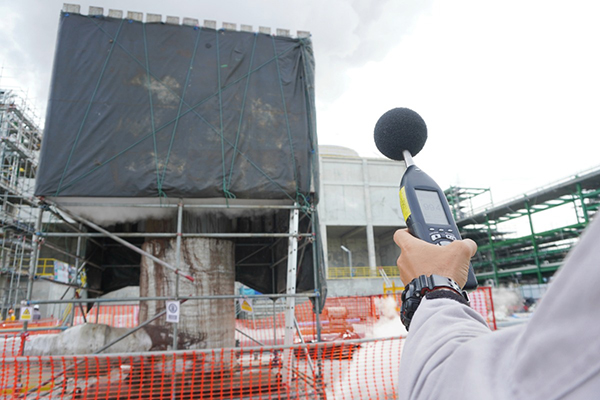 Workplace noise monitoring is the process of measuring sound levels in the work environment. The goal is to understand the noise employees may experience while performing their normal duties.
Depending on the workplace, monitoring may include:
- Area sound level readings in specific parts of the facility.
- Personal noise dosimetry for employees or job roles.
- Measurements during different tasks, shifts, or production conditions.
- Review of noisy equipment, work zones, or seasonal operations.
- Documentation that helps guide hearing conservation decisions.
The measurements do not replace a full safety assessment by the employer or a qualified safety professional. They do give employers objective information to use when reviewing workplace noise exposure.
OSHA’s Occupational Noise Exposure standard outlines requirements that can apply when employees are exposed to certain noise levels. The details can depend on the exposure level, duration, work conditions, and applicable industry rules.
Why monitoring matters before hearing testing decisions
Audiometric testing is a key part of many workplace hearing conservation programs. But testing is only one part of the picture.
Noise monitoring helps employers understand who may need to be included in a program and where exposure concerns may exist. Without reliable exposure information, a company may have trouble deciding which departments, job roles, or employees should be prioritized.
Monitoring can help employers answer questions such as:
- Which work areas have the highest noise levels?
- Are employees exposed to loud noise for short bursts or for most of the shift?
- Do exposure levels change between shifts or production schedules?
- Which job tasks may need closer review?
- Should the company review hearing protection options?
- Is annual audiometric testing likely to be part of the program plan?
For employers with multiple departments or changing operations, these answers can make the hearing conservation program more practical. They can also help reduce confusion when coordinating employee testing days.
Common signs that noise monitoring may be worth reviewing
 Some workplaces already know they have loud operations. Others notice warning signs over time. A formal decision should be based on reliable measurements and the applicable rules for the workplace, but several clues may signal that noise monitoring deserves attention.
Employers may want to review monitoring when:
- Employees must raise their voices to talk at a normal distance.
- Workers report ringing in the ears after a shift.
- New equipment has been installed.
- Production volume has increased.
- A process has moved to a smaller or more enclosed area.
- Hearing protection use is inconsistent or informal.
- Past testing showed employee hearing changes that need follow-up.
- The company has not reviewed noise exposure in several years.
OSHA’s noise safety and health topic page is a helpful starting point for employers that want to understand workplace noise hazards. For technical background, OSHA also publishes a Technical Manual chapter on noise.
Area measurements and personal noise dosimetry
Not all noise measurements answer the same question. Two common approaches are area measurements and personal noise dosimetry.
Area noise measurements
Area measurements look at sound levels in a specific location. They can help employers identify loud zones, compare departments, or decide where further evaluation may be needed.
For example, a safety manager may measure sound levels near a press, saw, crusher, compressor, or loading area. This can help the team understand where noise is concentrated.
Area readings are useful, but they may not show a full employee exposure profile. Employees move around. Tasks change. A short reading in one place may not reflect a full shift.
Personal noise dosimetry
Personal noise dosimetry measures exposure for a worker or job role over time. A dosimeter is typically worn during the work shift or selected work period. This can provide a better view of the employee’s actual noise exposure during normal duties.
Dosimetry can be useful when employees rotate through areas, perform several tasks, operate mobile equipment, or experience changing noise levels across a shift.
For employers, the choice between area readings and dosimetry depends on the question they need to answer. In many cases, both types of information can support better planning.
How monitoring connects to hearing conservation programs
 Workplace noise monitoring can help employers decide whether hearing conservation program elements should be reviewed or updated.
A hearing conservation program may involve several parts, including:
- Noise exposure evaluation.
- Hearing protection selection and use.
- Baseline and annual audiometric testing.
- Employee training.
- Follow-up after changes in hearing test results.
- Recordkeeping.
- Review of changes in equipment, processes, or staffing.
Cecil Audiology’s mobile occupational hearing testing services support employers that need on-site audiometric testing as part of this larger process. Testing can be easier to coordinate when the employer already understands which groups need to be tested and why.
For companies in manufacturing, mining, construction support, utilities, and other industrial settings, noise monitoring can also help align safety planning with operations. Cecil Audiology works with a range of industries served where shift coverage, production demands, and mobile testing logistics matter.
What employers should keep after monitoring
Recordkeeping needs can vary by situation, but employers should treat noise monitoring results as important safety program documentation. Clear records make it easier to explain decisions later.
Useful documentation may include:
- Date and location of monitoring.
- Equipment or process being evaluated.
- Employees, departments, or job roles represented.
- Shift or task conditions during monitoring.
- Type of measurement used.
- Results and interpretation from the qualified provider or safety professional.
- Any follow-up actions considered or taken.
- Related hearing testing or training decisions.
Employers should also keep notes about operational changes that may affect future noise levels. A new machine, process change, or facility layout change can make old measurements less useful.
The CDC/NIOSH noise resources provide additional background on occupational noise and hearing loss prevention. Employers can use these resources as education, while still relying on qualified safety, occupational health, or legal guidance for decisions specific to their workplace.
Practical questions to ask before scheduling monitoring
 Before scheduling workplace noise monitoring, employers can make the process smoother by gathering basic information.
Helpful questions include:
- Which departments or tasks seem loudest?
- Which shifts should be represented?
- Are there seasonal or production changes that affect noise?
- Which employees or job roles spend the most time near noisy equipment?
- Has the company added equipment since the last review?
- Are hearing tests already being performed?
- Are there past audiograms or Standard Threshold Shift follow-up records to review?
- Who will manage employee communication and scheduling?
These questions help the employer define the purpose of monitoring. They also make it easier to connect monitoring results to hearing testing, training, and follow-up planning.
When to pair monitoring with on-site hearing testing
Noise monitoring and on-site hearing testing often support each other.
Monitoring can help the employer decide which employees may need testing. Hearing testing can help the employer maintain a clearer record of employee hearing health over time when testing is required or appropriate for the program.
Pairing the two can be especially useful when:
- The employer is building or updating a hearing conservation program.
- A facility has never formally reviewed noise exposure.
- The company is expanding into new production areas.
- Employee roles have changed.
- Existing testing records are incomplete or hard to interpret.
- Leadership wants a more organized annual testing process.
Cecil Audiology can help employers plan mobile hearing testing around shifts and production needs. If your team needs support with testing logistics or program planning, you can request a quote for more information.
Conclusion
Workplace noise monitoring helps employers make more informed hearing conservation decisions. It can show where exposure concerns may exist, which employees may need closer review, and how hearing testing fits into the larger safety program.
For industrial employers, the most useful approach is practical and documented. Measure the right areas or job roles. Keep clear records. Use the results to guide testing, protection, training, and follow-up.
If your facility is reviewing workplace noise monitoring or planning on-site hearing testing, Cecil Audiology can help you think through the next step.
FAQs
What is workplace noise monitoring?
Workplace noise monitoring is the process of measuring sound levels in the work environment. Employers use it to better understand potential employee noise exposure and to guide hearing conservation decisions.
Is noise monitoring the same as a hearing test?
No. Noise monitoring measures sound in the workplace or employee exposure during work tasks. A hearing test measures an employee’s hearing levels. Both can support a hearing conservation program, but they answer different questions.
When should an employer consider personal noise dosimetry?
Personal noise dosimetry may be useful when employees move between work areas, operate mobile equipment, or experience changing noise levels throughout a shift. It can provide a more complete view of exposure for a job role or employee group.
Does workplace noise monitoring automatically mean employees need annual hearing tests?
Not automatically. Monitoring results should be reviewed against applicable requirements and workplace conditions. If exposure levels meet certain criteria, hearing conservation steps such as audiometric testing, hearing protection, training, and records may need to be considered.
Can Cecil Audiology help with hearing testing after monitoring is complete?
Yes. Cecil Audiology provides mobile and on-site occupational hearing testing for employers. Monitoring results can help define which employee groups need testing and how the testing day should be planned.
About the Author
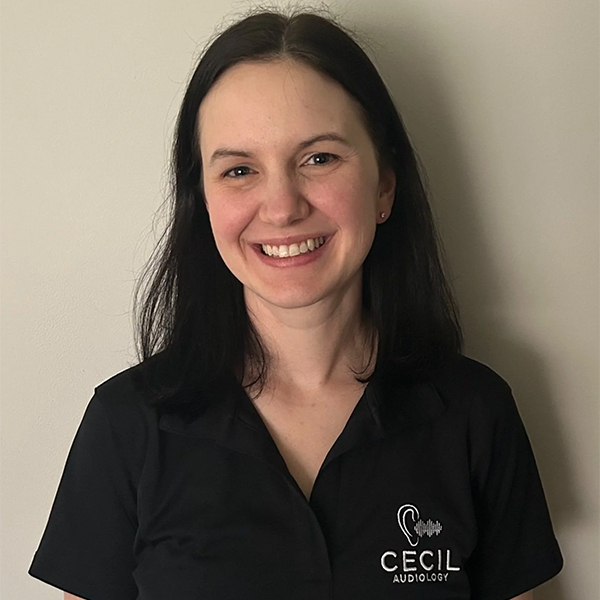
Allison Cecil is a Doctor of Audiology and co-founder of Cecil Audiology, bringing extensive experience in clinical and occupational hearing health. Guided by a commitment to patient care, accuracy, and education, Allison focuses on protecting hearing and helping individuals understand their hearing health with confidence.
After working closely with patients and employers, Allison saw the need for accessible, compliant, and reliable hearing testing—especially in occupational and industrial settings. Through Cecil Audiology, her mission is to deliver clear guidance, precise testing, and thoughtful care that supports long-term hearing conservation and informed decision-making.