Introduction
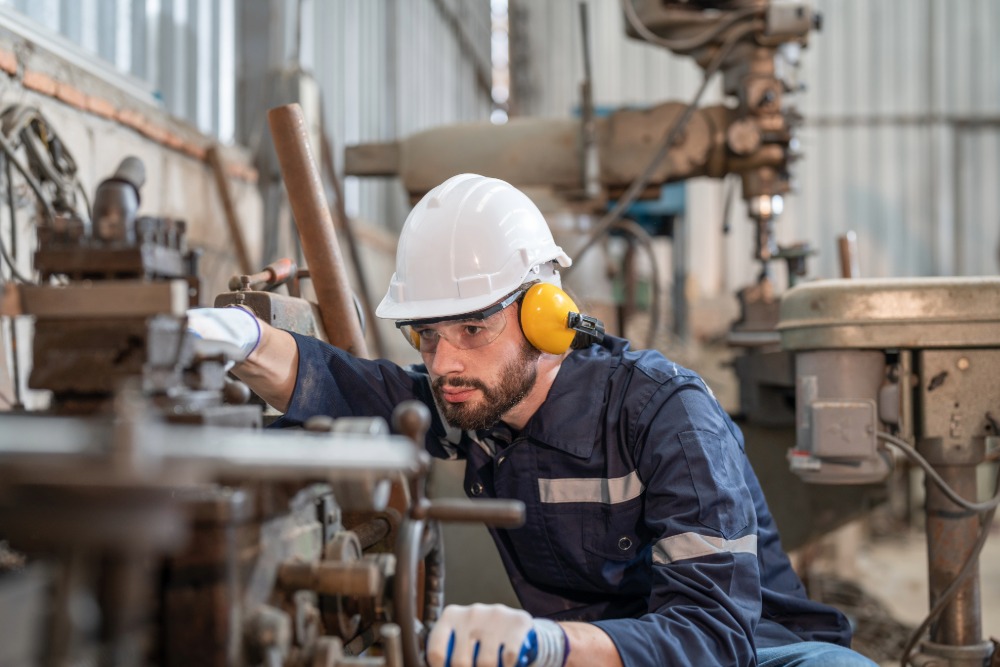
Industrial noise exposure is encountered in a wide range of workplaces, from manufacturing floors to construction sites. Over time, consistent exposure to high noise levels can contribute to permanent hearing damage if it is not properly monitored. Because of this, an industrial hearing screening is often included as a key component of workplace safety programs.
In many industries, hearing conservation protocols are required under guidelines established by the Occupational Safety and Health Administration (OSHA). When certain noise thresholds are met, routine monitoring—such as an industrial hearing test—is expected to be conducted to track changes in employee hearing over time.
In this article, an overview of industrial hearing screening will be provided, including when it is required, how it is performed, and why it plays an important role in maintaining a safe and compliant workplace.
What Is an Industrial Hearing Screening?
 An industrial hearing screening is defined as a routine evaluation of an employee’s hearing ability within a workplace setting. It is typically conducted as part of a hearing conservation program to monitor the effects of ongoing noise exposure.
During an industrial hearing screening, hearing thresholds are measured across a range of frequencies. These results are then recorded and compared over time to identify any changes. When shifts in hearing are detected early, further action can be taken to prevent additional damage.
The term industrial hearing test is often used interchangeably, although a distinction can be made. A screening is generally used for monitoring and early detection, while a more comprehensive diagnostic test may be performed if a potential issue is identified.
Industrial hearing screenings are designed to be quick, non-invasive, and efficient. They are commonly conducted on-site or at a designated testing location, allowing large groups of employees to be evaluated with minimal disruption to daily operations.
By being performed regularly, an industrial hearing screening helps ensure that hearing changes are identified early and that workplace safety standards continue to be met.
When Is Industrial Hearing Screening Required?
In many workplaces, an industrial hearing screening is required when employees are exposed to elevated noise levels over time. These requirements are established by the Occupational Safety and Health Administration (OSHA) as part of a formal hearing conservation program.
Noise Exposure Thresholds
An industrial hearing screening is required when workers are exposed to noise levels of 85 decibels or higher over an 8-hour time-weighted average. At or above this threshold, ongoing monitoring of hearing is expected to be implemented.
This level of noise exposure is commonly found in environments where heavy machinery, tools, or equipment are used on a regular basis.
Baseline and Annual Testing Requirements
When employees are first exposed to qualifying noise levels, a baseline industrial hearing test is required. This initial test is used as a reference point for all future comparisons.
After the baseline is established, an annual industrial hearing screening is required to monitor any changes in hearing over time. These yearly evaluations are essential for identifying early signs of hearing loss.
Ongoing Monitoring and Compliance
Once a hearing conservation program is in place, industrial hearing screenings are expected to be conducted consistently. If a significant shift in hearing is detected, additional steps may be required, such as follow-up testing, improved hearing protection, or changes in workplace practices.
By meeting these requirements, compliance with OSHA regulations is maintained, and employee hearing health is better protected.
Industries Where Industrial Hearing Screening Is Common
 An industrial hearing screening is most commonly implemented in industries where noise exposure is frequent or unavoidable. In these environments, hearing conservation programs are often established to ensure compliance and protect employee health.
Manufacturing and Production
In manufacturing settings, continuous noise from machinery and equipment is typically present throughout the workday. Because of this ongoing exposure, an industrial hearing screening is regularly conducted to monitor hearing changes over time.
Construction and Skilled Trades
In construction and trade environments, noise levels can vary but are often intense and unpredictable. Power tools, heavy equipment, and impact noise contribute to elevated risk. As a result, an industrial hearing test is commonly included as part of routine safety protocols.
Transportation and Aviation
In transportation and aviation industries, hearing plays a critical role in communication and safety. Exposure to engines, mechanical systems, and environmental noise is frequently encountered. Industrial hearing screenings are used to ensure that hearing ability is maintained at safe levels.
Warehousing and Logistics
Warehousing environments may involve constant background noise from forklifts, conveyor systems, and loading operations. While the noise may not always seem extreme, prolonged exposure can still impact hearing. An industrial hearing screening is often implemented to track any gradual changes.
Energy and Utilities
In energy, oil, and utility sectors, workers are often exposed to high-decibel equipment and outdoor industrial environments. Routine industrial hearing tests are typically conducted to maintain compliance and reduce long-term risk.
Across these industries, consistent industrial hearing screening helps ensure that noise exposure is properly managed and that employee hearing health is continuously monitored.
What Happens During an Industrial Hearing Test
An industrial hearing test is designed to be efficient, standardized, and easy to complete within a workplace setting. The process is typically conducted in a way that minimizes disruption while still providing accurate and reliable results.
Preparation and Setup
Before testing begins, employees are usually instructed to avoid loud noise for a period of time. This helps ensure that temporary hearing changes do not affect the results. Testing is then conducted in a quiet or sound-controlled environment, often using a mobile or on-site setup.
Testing Process
During the test, headphones are placed over the ears, and a series of tones at different frequencies and volumes are presented. Each time a sound is heard, a response is recorded—usually by pressing a button.
The goal is to determine the softest sounds that can be heard at each frequency. These measurements are used to establish or compare hearing thresholds.
Recording and Comparing Results
Once the test is completed, the results are documented and compared to previous tests. Any changes in hearing are identified by evaluating shifts from the baseline or prior industrial hearing screening results.
If a significant change is detected, additional steps may be recommended, such as retesting or adjustments to hearing protection.
Time and Efficiency
An industrial hearing test is typically completed in about 15 to 30 minutes per employee. Because the process is streamlined, large groups can be tested within a short period of time, making it well-suited for on-site workplace programs.
By being conducted regularly, an industrial hearing test helps ensure that hearing changes are identified early and that compliance requirements continue to be met.
Employer Responsibilities for Industrial Hearing Screening
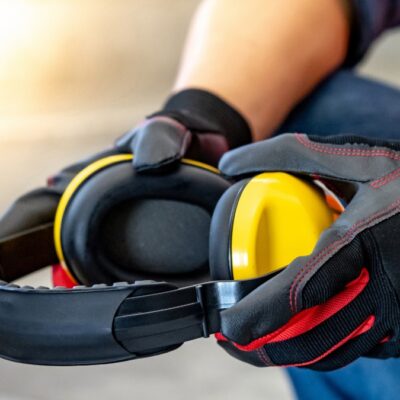 When an industrial hearing screening program is required, several responsibilities are placed on employers to ensure compliance and protect employee hearing. These requirements are established under guidelines from the Occupational Safety and Health Administration (OSHA).
Providing Required Testing
It is required that an industrial hearing test be made available to employees who are exposed to qualifying noise levels. Testing must be provided at no cost to the employee and conducted on a regular basis, including baseline and annual evaluations.
Maintaining Accurate Records
Records of each industrial hearing screening must be maintained over time. These records are used to track hearing changes and demonstrate compliance with OSHA regulations.
Documentation typically includes:
- Baseline and annual test results
- Dates of testing
- Any identified standard threshold shifts
Notifying Employees of Changes
If a significant change in hearing is identified, employees must be informed. This ensures that appropriate steps can be taken, such as follow-up testing or improved hearing protection.
Providing Hearing Protection and Training
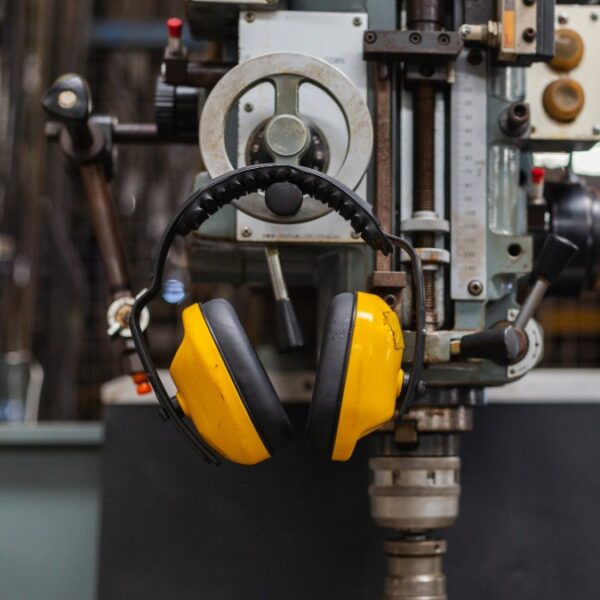
Employers are also responsible for ensuring that proper hearing protection is available and used. In addition, training on noise exposure and hearing loss prevention is required to be provided.
Ensuring Ongoing Compliance
An industrial hearing screening program must be consistently maintained. Regular testing, proper documentation, and employee education are all expected to be upheld.
By meeting these responsibilities, workplace safety standards are supported, and long-term hearing health risks are reduced.
Benefits of Industrial Hearing Screening for Employers
When an industrial hearing screening program is implemented, several benefits are realized for employers beyond basic compliance. These programs are designed to support safety, reduce risk, and improve overall workplace performance.
Workplace Safety Is Improved
By ensuring that employees can hear alarms, warnings, and communication clearly, a safer work environment is maintained. An industrial hearing test helps confirm that hearing ability remains at a level that supports safe job performance.
Risk and Liability Are Reduced
When hearing conservation programs are properly followed, the risk of workplace incidents and potential claims related to hearing loss is reduced. Documentation from an industrial hearing screening can also serve as evidence of compliance if needed.
Employee Health Is Supported
Ongoing monitoring of hearing allows early signs of damage to be identified. When issues are detected early, corrective actions can be taken to prevent further loss, supporting long-term employee well-being.
Regulatory Compliance Is Maintained
By conducting regular industrial hearing screening, OSHA requirements are met and maintained. This helps prevent fines, penalties, and disruptions to operations.
Workplace Productivity Is Supported
Clear communication is essential in any work environment. When hearing health is preserved, employees are better able to perform their duties efficiently and accurately.
Overall, an industrial hearing screening program is viewed not only as a requirement, but as a proactive investment in safety, compliance, and workforce performance.
On-Site Industrial Hearing Screening Services
 In many workplaces, on-site industrial hearing screening services are preferred due to their convenience and efficiency. Instead of sending employees off-site, testing can be brought directly to the job location and completed during the workday.
Convenience for Employers and Employees
When on-site services are used, scheduling is simplified and employee downtime is reduced. An industrial hearing test can be completed without requiring travel, which helps maintain productivity.
Minimal Disruption to Operations
On-site testing is typically organized in a way that allows employees to be screened in small groups or rotations. This ensures that normal operations can continue while required testing is completed.
Efficient Testing for Large Teams
Because the process is streamlined, a high volume of employees can be tested in a short period of time. Mobile equipment and trained professionals are used to ensure accurate and consistent results.
Improved Compliance and Recordkeeping
When on-site industrial hearing screening is provided by a professional service, documentation and reporting are often handled as part of the process. This helps ensure that records are properly maintained and compliance requirements are met.
A Practical Solution for Hearing Conservation
By bringing testing directly to the workplace, on-site services make it easier for employers to stay compliant and proactive. An industrial hearing test program can be maintained consistently without adding unnecessary complexity to operations.
Conclusion
An industrial hearing screening program is an essential part of maintaining a safe and compliant workplace. When noise exposure is present, regular testing is expected to be conducted to monitor employee hearing and prevent long-term damage.
For employers, these programs provide more than just regulatory compliance—they help reduce risk, support employee health, and improve workplace safety. By ensuring that testing is performed consistently, potential issues can be identified early and addressed appropriately.
To simplify the process and minimize disruption, on-site industrial hearing screening services can be scheduled. Partnering with Cecil Audiology allows testing to be conducted efficiently, with proper documentation and support provided every step of the way.
Contact Cecil Audiology to schedule on-site industrial hearing screening and ensure your workplace remains safe, compliant, and protected.

About the Author
Allison Cecil is a Doctor of Audiology and co-founder of Cecil Audiology, bringing extensive experience in clinical and occupational hearing health. Guided by a commitment to patient care, accuracy, and education, Allison focuses on protecting hearing and helping individuals understand their hearing health with confidence.
After working closely with patients and employers, Allison saw the need for accessible, compliant, and reliable hearing testing—especially in occupational and industrial settings. Through Cecil Audiology, her mission is to deliver clear guidance, precise testing, and thoughtful care that supports long-term hearing conservation and informed decision-making.