Introduction
Workplace noise isn’t just a nuisance—it’s a serious health risk for millions of adults. In industries like construction, manufacturing, and transportation, daily exposure to loud sounds can lead to permanent hearing damage over time. That’s why an annual hearing test is so important for protecting long-term hearing health.
In many workplaces, an annual hearing test is not optional. Regulations from OSHA require routine hearing evaluations for employees exposed to high noise levels. These tests help identify early signs of hearing loss, allowing workers and employers to take action before the damage becomes permanent.
In this article, we’ll explain who is required to have an annual hearing test in the workplace, why it matters, and what you can expect from the process.
What Is an Annual Hearing Test?
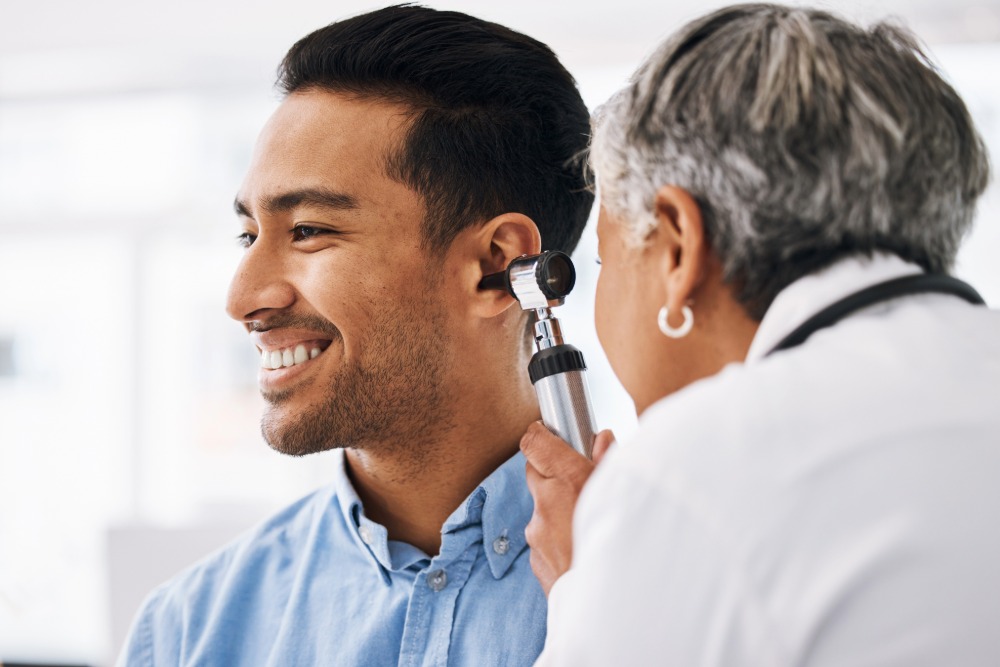
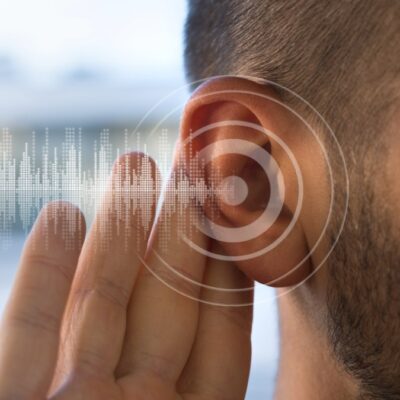 An annual hearing test is a routine evaluation that measures how well you can hear different sounds, tones, and speech. It is typically part of a workplace hearing conservation program designed to monitor and protect employees who are regularly exposed to noise.
During an annual hearing test, a trained professional checks your hearing thresholds across a range of frequencies. The results are then compared to your baseline test to identify any changes over time. This comparison is critical because even small shifts in hearing can be an early warning sign of damage.
These tests are quick, non-invasive, and usually take less than 30 minutes. Most are conducted in a quiet, sound-treated environment using headphones and simple response methods.
Why an Annual Hearing Test Matters
For workers in noisy environments, an annual hearing test plays a key role in prevention and safety:
- Early detection: Identifies hearing loss before it becomes permanent
- Workplace safety: Ensures employees can hear alarms, warnings, and communication clearly
- Regulatory compliance: Helps employers meet OSHA requirements
- Long-term health: Protects against noise-induced hearing loss over time
By tracking your hearing year after year, an annual hearing test helps catch problems early—when they are still preventable.
Jobs That Require an Annual Hearing Test
Not every job requires an annual hearing test, but many industries do—especially those where workers are exposed to consistent or high levels of noise. In these environments, routine testing is essential for both safety and regulatory compliance.
Workers Exposed to High Noise Levels
 Employees exposed to noise levels at or above 85 decibels over an 8-hour workday are typically required to have an annual hearing test under OSHA guidelines. This includes workers who are regularly around loud equipment or environments.
Common examples include:
- Construction workers
- Manufacturing employees
- Airport ground crew
- Mining and oil field workers
Industrial and Factory Employees
Factory settings often involve continuous machinery noise. Because this exposure is ongoing, employers must implement hearing conservation programs that include an annual hearing test.
These programs help track hearing changes over time and ensure workers are properly protected.
Transportation and Aviation Workers
Hearing is critical for communication and safety in transportation roles. Workers in aviation, railroads, and other transportation sectors are often required to complete an annual hearing test.
Examples include:
- Pilots and flight crew
- Airline ground personnel
- Railroad workers
Emergency Responders
Firefighters, police officers, and paramedics are frequently exposed to sudden, high-intensity noise like sirens and equipment. While requirements may vary by department, many agencies include an annual hearing test as part of routine health monitoring.
Military and Defense-Related Roles
Military personnel and defense contractors face some of the highest noise exposures, including firearms and heavy equipment. As a result, strict hearing conservation protocols—including an annual hearing test—are typically required.
Understanding whether your job falls into one of these categories can help you stay compliant and protect your hearing long term.
OSHA Requirements for an Annual Hearing Test
The Occupational Safety and Health Administration (OSHA) sets clear rules for when an annual hearing test is required in the workplace. These regulations are part of OSHA’s Hearing Conservation Program, which is designed to protect employees from noise-induced hearing loss.
When Is an Annual Hearing Test Required?
OSHA requires employers to provide an annual hearing test for workers who are exposed to noise levels of 85 decibels or higher over an 8-hour time-weighted average. This level of exposure is common in many industrial and high-noise environments.
Before the annual testing begins, employees must also receive a baseline hearing test within their first 6 months of exposure. This baseline is used as a reference point to track any changes in hearing over time.
Employer Responsibilities
Employers play a key role in ensuring compliance with OSHA standards. If workers are exposed to hazardous noise levels, employers must:
- Provide an annual hearing test at no cost to employees
- Maintain accurate records of hearing test results
- Notify employees of any significant changes in hearing
- Provide and enforce the use of hearing protection
- Offer training on hearing loss prevention
Why OSHA Compliance Matters
Following OSHA requirements isn’t just about avoiding penalties—it’s about protecting workers. An annual hearing test helps identify early signs of hearing damage, allowing employers to take corrective action before the issue worsens.
For employees, this means safer working conditions and better long-term hearing health. For employers, it reduces liability and supports a safer, more productive workplace.
Who Else Should Get an Annual Hearing Test (Even If Not Required)?
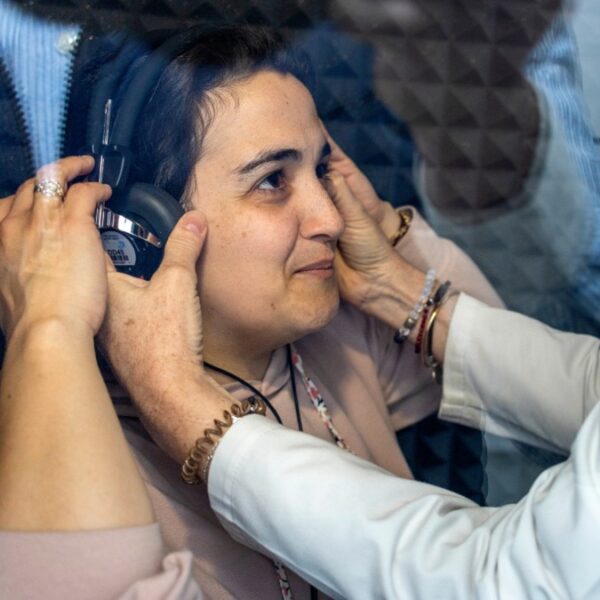 Even if your job doesn’t legally require an annual hearing test, it may still be a smart and proactive step for protecting your hearing. Many adults in the workplace are exposed to noise levels that can still cause gradual damage over time.
Workers in Moderately Noisy Environments
Not all harmful noise is extreme. Jobs in restaurants, entertainment venues, warehouses, and gyms can expose workers to consistent background noise that adds up over time. While these roles may not meet OSHA’s threshold, getting an annual hearing test can help detect early changes.
Employees Experiencing Early Symptoms
If you’ve noticed any changes in your hearing, it’s important not to ignore them. Signs that you may benefit from an annual hearing test include:
- Ringing or buzzing in the ears (tinnitus)
- Difficulty understanding conversations, especially in noisy settings
- Frequently asking others to repeat themselves
- Turning up the volume on devices more than usual
Catching these symptoms early can make a significant difference in preventing further hearing loss.
Adults Over 40 in the Workforce
Age-related hearing changes can begin as early as your 40s. When combined with workplace noise exposure, the risk increases. Even if your job is relatively quiet, scheduling an annual hearing test can help monitor your hearing health over time.
Why Being Proactive Matters
Hearing loss is often gradual and easy to overlook. By choosing to get an annual hearing test, even when it’s not required, you can stay ahead of potential issues and protect your long-term quality of life.
What Happens If You Skip an Annual Hearing Test?
Skipping an annual hearing test might not seem like a big deal, but over time it can lead to serious consequences—especially for workers in noisy environments. Because hearing loss is often gradual, many people don’t notice a problem until it has already progressed.
Undetected Hearing Loss
Without an annual hearing test, small changes in your hearing can go unnoticed. These early shifts are often the first signs of noise-induced hearing loss. If they aren’t caught early, the damage can become permanent.
Increased Safety Risks
Hearing plays a critical role in workplace safety. Missing alarms, warning signals, or verbal instructions can increase the risk of accidents. An annual hearing test helps ensure you can hear clearly in situations where it matters most.
Reduced Job Performance
Difficulty hearing conversations or instructions can impact productivity and communication on the job. Over time, this can affect both individual performance and team efficiency.
Compliance Issues for Employers
For employers, failing to provide or enforce an annual hearing test when required can lead to OSHA violations, fines, and legal risks. Regular testing helps maintain compliance and protects both the business and its employees.
Long-Term Health Impact
Untreated hearing loss has been linked to issues like social isolation, cognitive decline, and reduced quality of life. An annual hearing test is a simple step that can help prevent these long-term effects.
Staying consistent with annual testing isn’t just about meeting requirements—it’s about protecting your hearing, your safety, and your overall well-being.
What to Expect During an Annual Hearing Test
 If you’ve never had one before, an annual hearing test is simple, quick, and completely painless. Understanding the process can help you feel more comfortable and prepared.
A Quick and Non-Invasive Process
Most annual hearing tests take about 15 to 30 minutes. There are no needles, no discomfort, and no downtime. You’ll simply be asked to listen and respond to sounds.
Testing in a Controlled Environment
The test is usually conducted in a quiet or sound-treated booth to ensure accurate results. You’ll wear headphones and listen to a series of tones at different volumes and pitches.
When you hear a sound, you’ll respond—typically by pressing a button or raising your hand.
Measuring Your Hearing Ability
The goal of an annual hearing test is to determine the softest sounds you can hear at different frequencies. This helps identify any areas where your hearing may be changing.
Your results are then compared to your baseline test and previous annual tests to track any shifts over time.
Reviewing Your Results
After the test, a hearing professional will review your results with you. If there are any changes, they may recommend next steps, such as:
- Using or improving hearing protection
- Scheduling follow-up testing
- Exploring treatment options if needed
Why Consistency Is Key
Because hearing loss can happen gradually, taking an annual hearing test every year provides a clear record of your hearing health. This makes it easier to catch problems early and take action before they become permanent.
Benefits of Getting an Annual Hearing Test
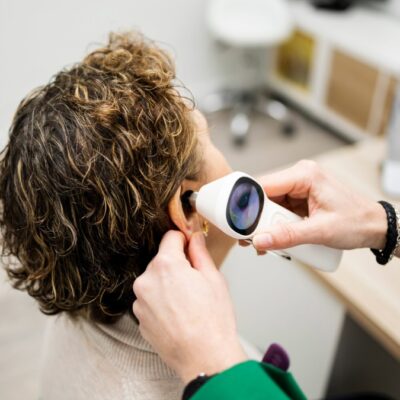 Staying consistent with an annual hearing test offers more than just compliance—it provides real, long-term benefits for both employees and employers. Regular testing plays a key role in protecting hearing and improving overall workplace safety.
Protects Your Long-Term Hearing Health
An annual hearing test helps detect small changes before they become permanent. Early detection allows you to take action—such as improving hearing protection or reducing exposure—before significant damage occurs.
Improves Workplace Safety
Being able to hear clearly is essential in many work environments. An annual hearing test ensures you can detect alarms, warnings, and important instructions, reducing the risk of accidents.
Supports OSHA Compliance
For employers, providing an annual hearing test helps meet regulatory requirements and avoid potential fines. It also demonstrates a commitment to employee health and safety.
Enhances Communication and Productivity
Good hearing supports clear communication with coworkers, supervisors, and clients. By maintaining your hearing health through an annual hearing test, you can stay productive and engaged on the job.
Provides Peace of Mind
Knowing your hearing is being monitored year after year gives you confidence. An annual hearing test creates a record of your hearing health, so you’re never left guessing if something has changed.
Conclusion
An annual hearing test is a critical part of maintaining a safe and compliant workplace—especially for employers with teams exposed to ongoing noise. Beyond meeting OSHA requirements, routine testing helps identify early signs of hearing loss, reduce workplace risks, and support long-term employee health.
For employers, staying ahead of hearing conservation isn’t just about compliance—it’s about protecting your workforce and your business. Partnering with a professional provider ensures your team receives accurate testing, proper documentation, and guidance on next steps if changes are detected.
If your company has employees exposed to workplace noise, now is the time to take action. Contact Cecil Audiology to schedule on-site annual hearing testing and keep your workplace safe, compliant, and protected.

About the Author
Allison Cecil is a Doctor of Audiology and co-founder of Cecil Audiology, bringing extensive experience in clinical and occupational hearing health. Guided by a commitment to patient care, accuracy, and education, Allison focuses on protecting hearing and helping individuals understand their hearing health with confidence.
After working closely with patients and employers, Allison saw the need for accessible, compliant, and reliable hearing testing—especially in occupational and industrial settings. Through Cecil Audiology, her mission is to deliver clear guidance, precise testing, and thoughtful care that supports long-term hearing conservation and informed decision-making.